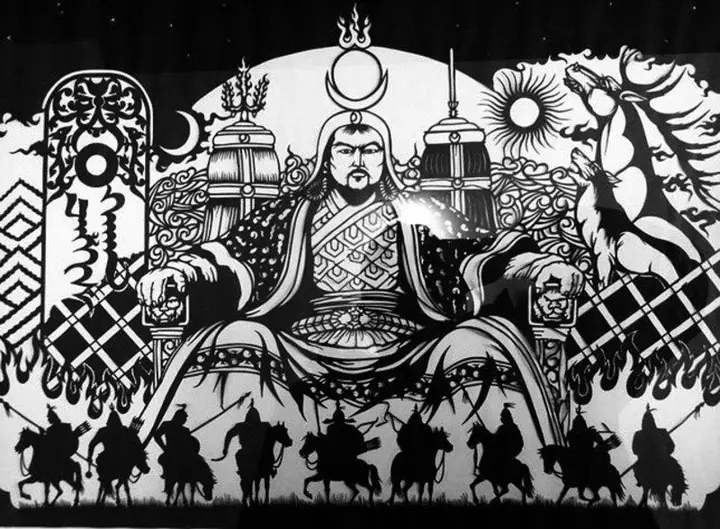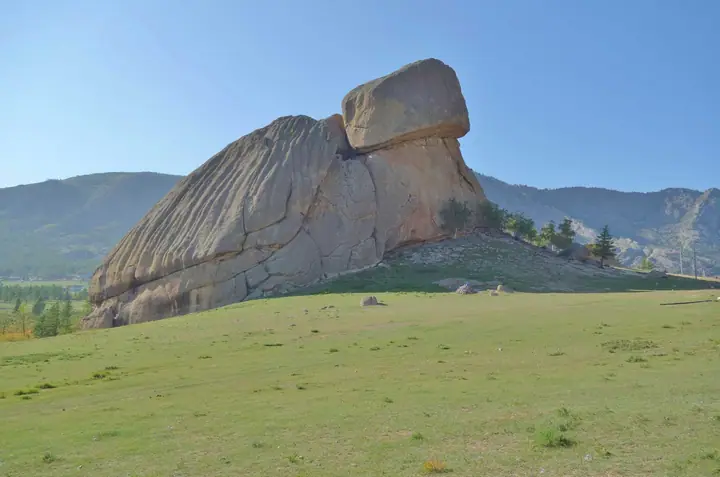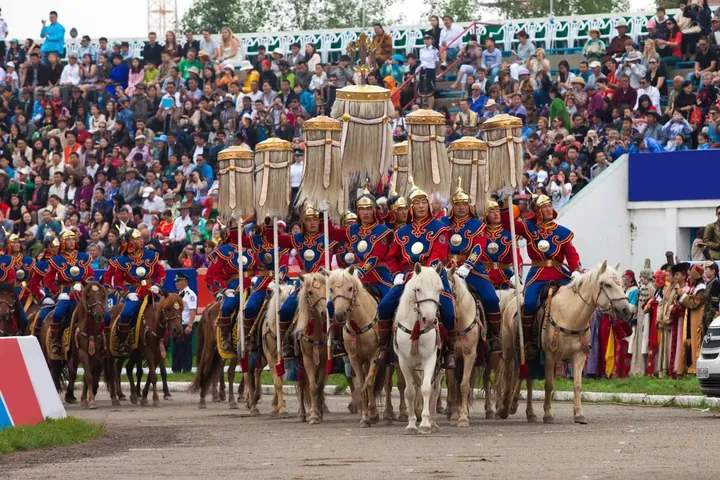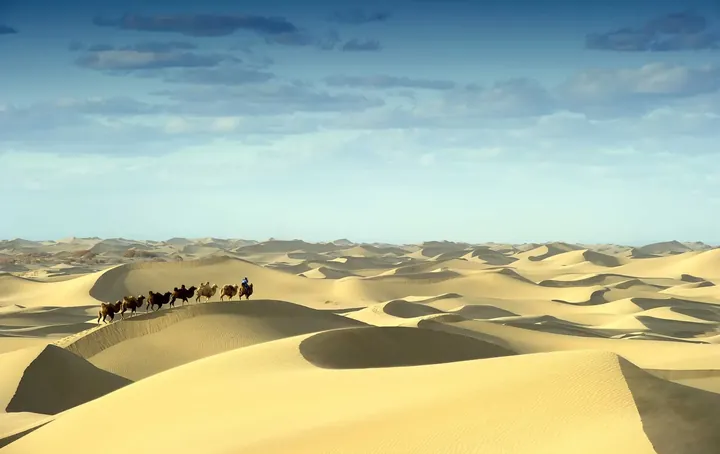
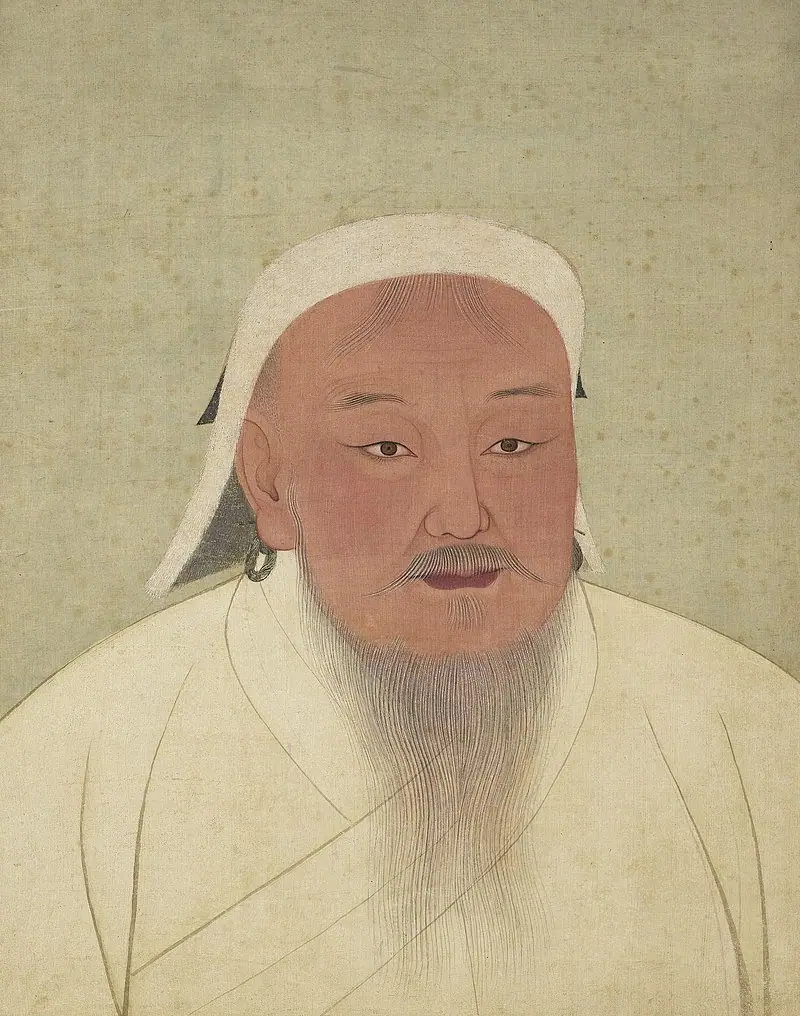
Chinggis Khan (Genghis Khan, c. 1162–1227) united the Mongol tribes in 1206 and founded the Mongol Empire — the largest contiguous land empire in history. His legacy goes far beyond conquest: the Yassa legal code, religious tolerance, Silk Road trade under the Pax Mongolica, and a genetic footprint carried by millions of men today. In Mongolia, you can explore his legacy at the 40-meter equestrian statue at Tsonjin Boldog and in his Khentii homeland.
Chinggis Khan the Millennium Man
When we think of Chinggis Khan, often the first images that come to mind are those of a formidable conqueror who forged one of the largest empires in history. However, the legacy of Chinggis Khan extends far beyond his military achievements. It delves deep into the genetic lineage and cultural impact that still resonates today. In this blog, we explore the fascinating aspects of his descendants and the surprising genetic footprint he left behind.
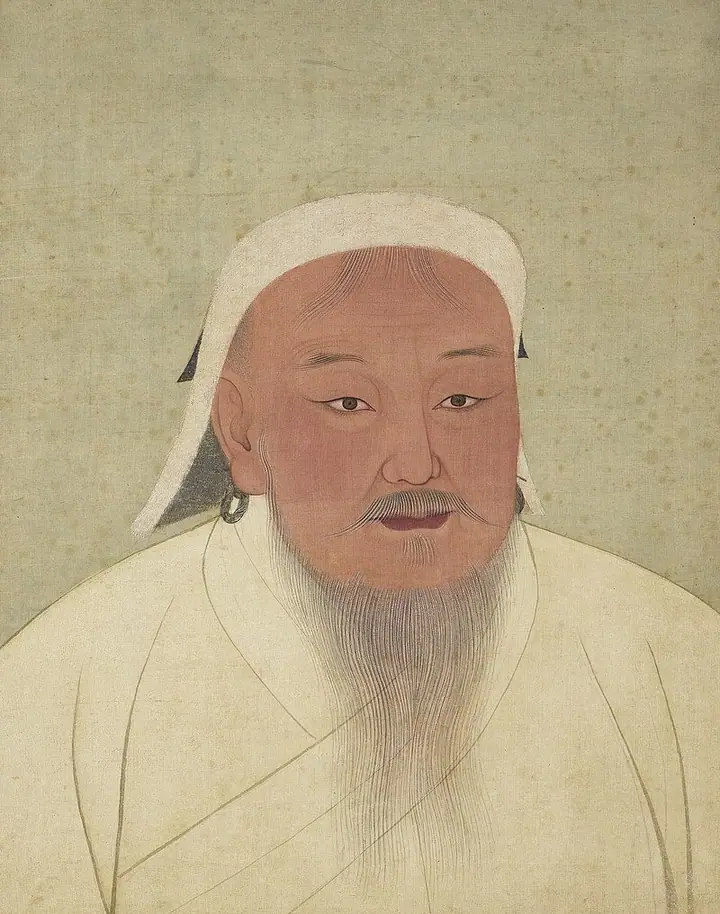
The Lineage of a Conqueror of Chinggis Khan
Chinggis Khan, known for his strategic prowess and unifying the Mongolian tribes, also had a personal life shrouded in both mystery and intrigue. Historical records suggest he had numerous children with his wives and concubines. Among his well-documented sons - Jochi, Chagatai, Ögedei, and Tolui - the lineage continued, weaving a complex tapestry of descendants that would shape the future of the Mongol Empire.
A Genetic Footprint of Chinggis Khan
In a groundbreaking study conducted in 2003, researchers uncovered a startling fact: nearly 0.5% of the male population worldwide, or about 16 million individuals at the time, might be direct patrilineal descendants of Chinggis Khan. This discovery was based on the widespread distribution of a specific Y-chromosome pattern, predominantly found in regions that were once under the rule of the Mongol Empire. This genetic legacy is a testament to the vast reach and influence of Chinggis Khan that extended beyond territorial conquests.
Dschinghis Khan by Dschinghis Khan (2020)
The Cultural Impact of Chinggis Khan
The descendants of Chinggis Khan not only carried his genetic legacy but also his cultural and political heritage. They were instrumental in shaping the political landscapes of various regions, from the steppes of Mongolia to the courts of Persia and beyond. The Mongol Empire, at its peak, facilitated the exchange of ideas, goods, and cultures across the Eurasian continent, a legacy that arguably laid the foundations for the modern interconnected world.
Chinggis Khan's impact on history is undeniable. While he is often remembered for his conquests and the creation of an empire that changed the world map, his enduring legacy is far more complex and profound. It encompasses not just a vast lineage of descendants but also a significant genetic imprint and a cultural influence that continues to be felt across generations.
Closing Thoughts: As we reflect on the life and legacy of Chinggis Khan, it becomes clear that his influence transcends the boundaries of time and geography. He was not just a conqueror but a historical figure who left an indelible mark on human history, both through his descendants and the lasting cultural and genetic legacy he imparted.
The Great Chinggis Khaan by The HU
Top 10 Facts About Chinggis Khan
Birth and Early Life of Chinggis Khan:
Chinggis Khan was born around 1162, near the border between modern Mongolia and Siberia. His birth name was Temüjin, and he was born into a noble family of the Mongol tribe.
Rise to Power of Chinggis Khan:
He began his rise to power by uniting the Mongol tribes. After a series of military campaigns and strategic alliances, he was declared "Chinggis Khan," which means "universal ruler," in 1206.
Creation of the Mongol Empire:
Under his leadership, the Mongol Empire expanded rapidly through conquests, becoming the largest contiguous land empire in history, stretching from Eastern Europe to the Sea of Japan.
Military Innovations by Chinggis Khan:
Chinggis Khan revolutionized Mongol warfare with his use of horse cavalry, intelligence networks, and psychological warfare. His military tactics are studied even in modern times.
Legal Code:
He established a legal code known as the "Yassa," which promoted law and order across his empire. This code was instrumental in unifying the diverse cultures under his rule.
Religious Tolerance:
Chinggis Khan was known for his religious tolerance. He exempted religious leaders from taxation and encouraged religious freedom within his empire.
Chinggis Khan - Khukh Tolboton - Atlan Urag
Trade and Communication:
He significantly boosted trade across Asia and Europe and established a postal system within the empire, enhancing communication across vast distances.
Death and Burial of Chinggis Khan:
Chinggis Khan died in 1227 under mysterious circumstances. His burial site remains unknown, as it was kept a closely guarded secret.
Genetic Legacy:
A genetic study suggested that Chinggis Khan left a substantial genetic legacy, with millions of men alive today carrying his Y-chromosome marker.
Cultural Impact of Chinggis Khan:
His legacy extends beyond his military conquests; he influenced the cultural and political landscapes of Eurasia, with effects that are still evident in various aspects of modern society.
Chinggis Khan's life and legacy are a blend of military genius, political acumen, and cultural influence, making him one of the most fascinating figures in world history.
Genghis Khan FAQ
Where was Genghis Khan born?
Temüjin was born around 1162 at Delüün Boldog near the Onon River in today's Khentii province of eastern Mongolia. The region is still considered sacred, and you can visit it on a trip through eastern Mongolia's destinations.
Where is Genghis Khan buried?
No one knows. His burial was kept deliberately secret, and despite centuries of searching, the tomb has never been found. Many scholars believe he rests somewhere near the sacred mountain Burkhan Khaldun in Khentii province.
Can I visit Genghis Khan sites in Mongolia?
Yes — the most popular site is the 40-meter stainless-steel Chinggis Khan equestrian statue at Tsonjin Boldog, about 54 km east of Ulaanbaatar, easily combined with Terelj National Park on a one-day tour from Ulaanbaatar. For planning the rest of your trip, see our Mongolia travel guide.
Enza Tours LLC
If you want to make a Mongolian tour, we are the Mongolian travel agency, can create your unique trip in Mongolia. We also have other Mongolia tours, and while you travel, you can try the Khuvgul with other destination, local nomadic family and we can help you create a tour for you. Just write an email to us, we will plan your tour with you and let’s create your happiness together. info@mongoliantour.guide
Our highlighted Mongolia tours
- 4 days Gobi Desert tour
- 5 days Gobi Desert tour
- 6 days Gobi Desert tour
- 7 days Gobi Desert tour
- 7 days Mongolia Desert Tour
- 9 days Mongolia Adventure Trips
- 8 days Top Tours Mongolia
- 8 days Mongolia Small Group Tours
- 9 days Teepee Mongolia Grand Tour
- 10 days Teepee Mongolia the Grand Tour
- 11 days The Grand Tour Mongolia
- 12 days Mongolia Vacation
- 12 days Grand Tour Mongolia Special
- 14 days Grand Tour Mongolia Route