The Gobi is a cold desert with an extreme continental climate: winter nights can approach -40C, summer days can reach about 38C, and temperatures can swing by as much as 35C within 24 hours. The most comfortable months to visit are May-June and September-early October, while July-August is the warmest and busiest season.
The Gobi Desert is a vast and mysterious land stretching across parts of northern China and southern Mongolia. It’s not just any desert - it’s a place of extremes, where the climate shapes every inch of the landscape and the lives of those who dare to explore it. If you’re drawn to raw nature and crave authentic adventures, understanding the Gobi’s weather is key to making the most of your journey.
Exploring Gobi Weather Patterns: What Makes This Desert Special?
The Gobi Desert’s weather patterns are unlike those of typical sandy deserts. It’s a cold desert, which means it experiences freezing winters and scorching summers. This contrast creates a unique environment that surprises many travelers.
- Temperature swings: Daytime temperatures in summer can soar above 100°F (38°C), while winter nights can plunge to -40°F (-40°C). This huge range demands careful packing and preparation.
- Low rainfall: The Gobi receives less than 8 inches (200 mm) of rain annually. Most precipitation falls in the summer months, often as sudden, heavy showers.
- Wind and dust storms: Strong winds sweep across the desert, especially in spring. These winds can whip up dust storms that reduce visibility and add a dramatic flair to the landscape.
Understanding these patterns helps you plan your trip around the best times to visit and what to expect each day.

Seasonal Changes in the Gobi Desert
The Gobi’s seasons are sharply defined, each bringing its own challenges and beauty.
Spring (March to May)
Spring is a time of transition. The desert thaws from winter’s grip, but temperatures remain chilly, especially at night. Winds pick up, creating dust storms that sweep across the plains. This season is less crowded, offering solitude for those who don’t mind the dust and cold.
Summer (June to August)
Summer is the warmest and most popular time to visit. Days are long and hot, perfect for exploring the desert’s unique flora and fauna. Rainfall is rare but can come in sudden bursts, turning dry riverbeds into temporary streams. Nights cool down quickly, so layers are essential.
Autumn (September to November)
Autumn brings cooler temperatures and clearer skies. The desert’s colors shift to warm golds and reds, making it a photographer’s dream. Winds calm down, and the weather is generally stable, ideal for trekking and camping.
Winter (December to February)
Winter is harsh and unforgiving. Temperatures drop well below freezing, and snow can blanket the desert. Many roads become impassable, but the stark beauty of the snow-covered dunes is unforgettable. Only the most prepared travelers venture out during this time.
How the Gobi Desert Climate Shapes Life and Landscape
The gobi desert climate influences everything from the plants that grow here to the animals that survive and the people who call it home.
- Flora: Sparse vegetation like drought-resistant shrubs and grasses dominate. These plants have adapted to survive with minimal water and extreme temperatures.
- Fauna: The Gobi is home to unique species such as the Bactrian camel, Gobi bear, and snow leopard. These animals have evolved to endure the desert’s harsh conditions.
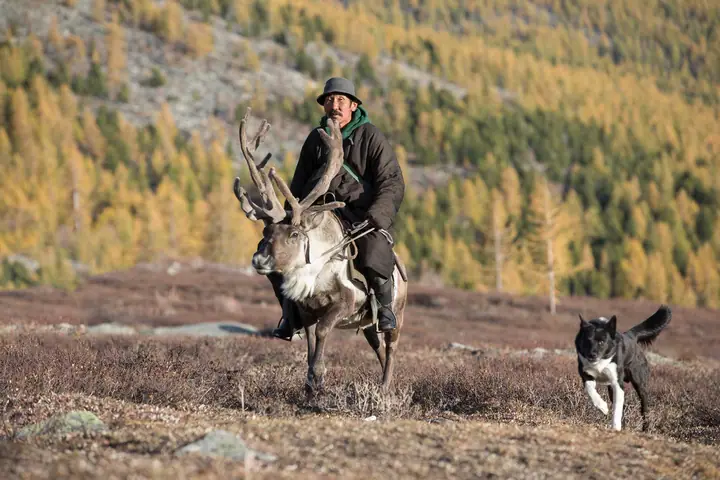
- Human life: Nomadic herders have lived here for centuries, moving with their livestock to find grazing land. Their traditional lifestyle is closely tied to the rhythms of the desert’s climate.
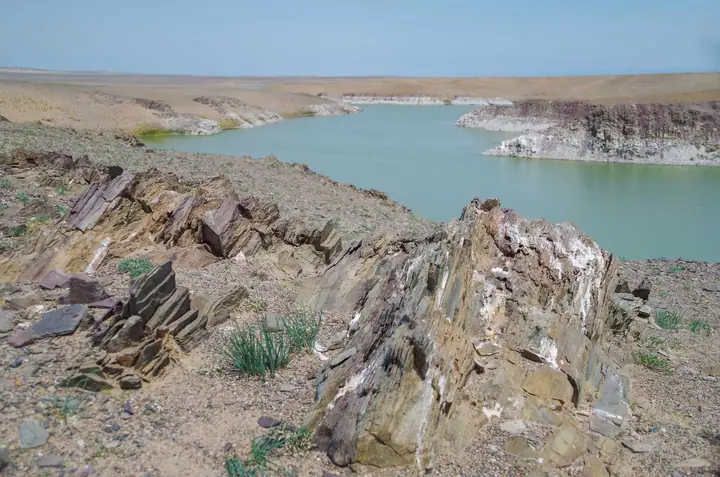
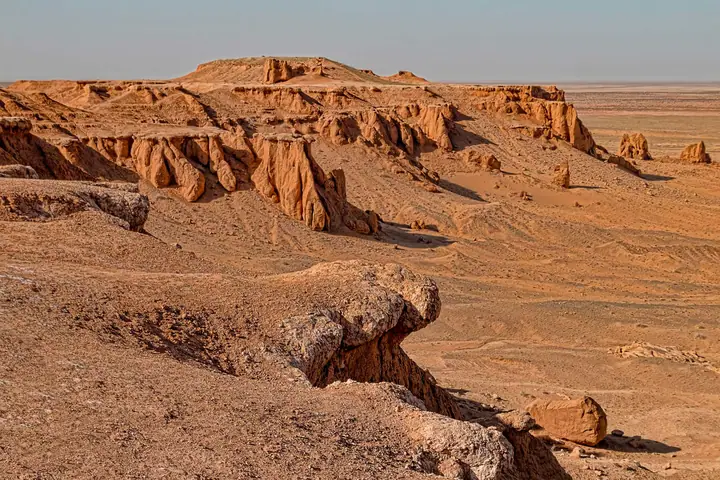
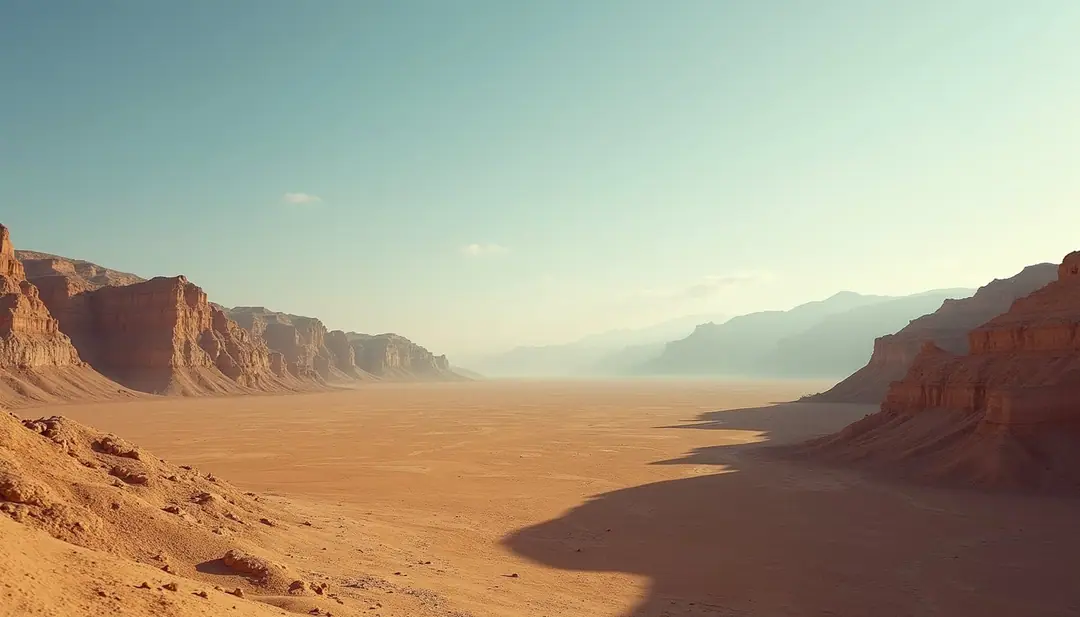
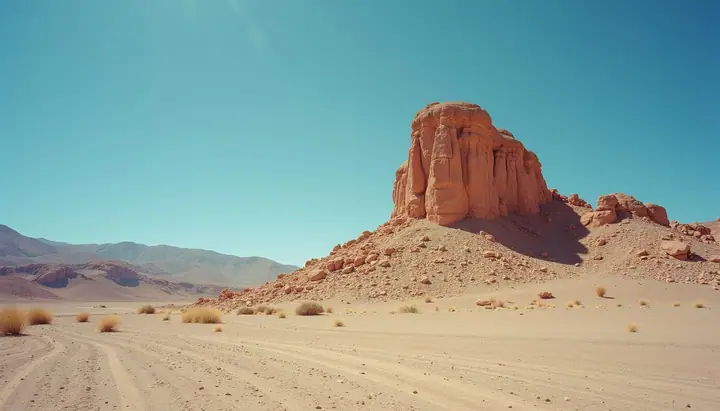
The desert’s climate also shapes the terrain. Wind erosion carves out dramatic rock formations, while temperature swings cause rocks to crack and break apart.
Practical Tips for Traveling in the Gobi Desert
If you’re planning an adventure in the Gobi, knowing how to handle its climate will make your trip safer and more enjoyable.
- Dress in layers: Temperatures can change drastically from day to night. Pack lightweight clothes for the heat and warm layers for the cold.
- Protect yourself from the sun: The desert sun is intense. Wear a wide-brimmed hat, sunglasses, and sunscreen.
- Stay hydrated: Water sources are scarce. Carry plenty of water and drink regularly to avoid dehydration.
- Prepare for dust: Bring a scarf or mask to cover your nose and mouth during dust storms.
- Plan your visit seasonally: Summer and autumn offer the best weather for most travelers. Winter is for the adventurous and well-prepared.
- Use a local guide: Navigating the Gobi’s vast and rugged terrain is easier and safer with someone who knows the land.
Experiencing the Gobi Desert’s Climate Firsthand
There’s something magical about standing in the middle of the Gobi Desert, feeling the sun’s heat on your skin and the wind’s whisper in your ears. The climate here is not just a backdrop - it’s a living force that shapes every moment.
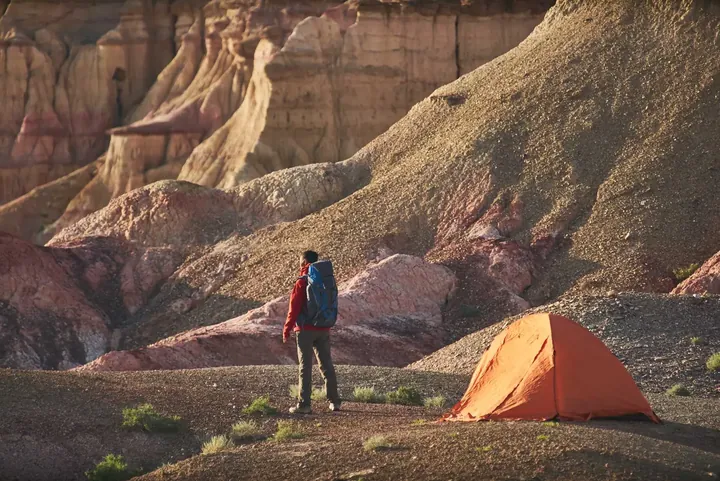
Imagine waking up in a traditional ger (yurt) as the temperature dips below freezing, then stepping outside to a sunrise that paints the desert in fiery hues. Or trekking through rocky canyons where the wind carries stories of ancient travelers. The Gobi’s climate challenges you, but it also rewards you with unforgettable experiences.
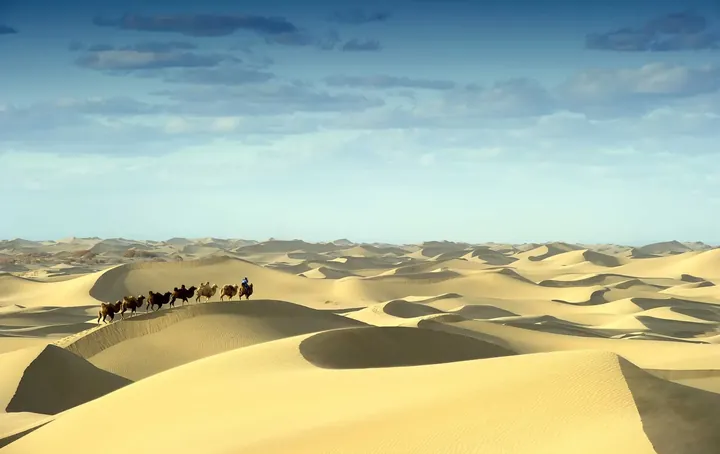
Whether you’re riding a camel across sand dunes or watching wild horses gallop across the plains, the desert’s weather is a constant companion. It teaches patience, respect, and awe for nature’s power.
Embracing the Gobi Desert’s Climate on Your Journey
Traveling through the Gobi Desert means embracing its unique climate. It’s about being ready for extremes and finding beauty in the unexpected. The desert’s weather patterns are not obstacles but part of the adventure itself.
By understanding the Gobi’s climate, you can plan a trip that matches your spirit of exploration. You’ll know when to pack your warmest jacket, when to expect a sudden rain shower, and how to protect yourself from the desert’s fierce sun and wind.
The Gobi Desert invites you to step off the beaten path and discover a world shaped by nature’s extremes. It’s a place where every sunrise and sunset tells a story, and every breeze carries the promise of adventure.
So, pack your bags, prepare for the weather, and get ready to experience the Gobi Desert like never before. Your authentic Mongolian adventure awaits.
Plan your Mongolia trip with Enza Tours
Enza Tours LLC is a local tour operator based in Ulaanbaatar, running private and small-group tours across Mongolia since 2018. Browse all Mongolia tours, see our short tours from Ulaanbaatar or read the Mongolia travel FAQ before you book.
Questions about your route, dates or price? Message us on WhatsApp (+976 8911 2100) or email info@mongoliantour.guide and a local planner will reply within one working day.
Frequently asked questions
How hot does the Gobi Desert get in summer?
Summer days typically reach 30-38C in July, and higher extremes have been recorded. Nights stay much cooler, so pack layers even in midsummer - our Mongolia packing list covers the details.
Does it snow in the Gobi Desert?
Yes. The Gobi is a cold desert: frost and light snow occur in winter, and temperatures can fall to around -40C in the coldest months.
When is the best time to visit the Gobi Desert?
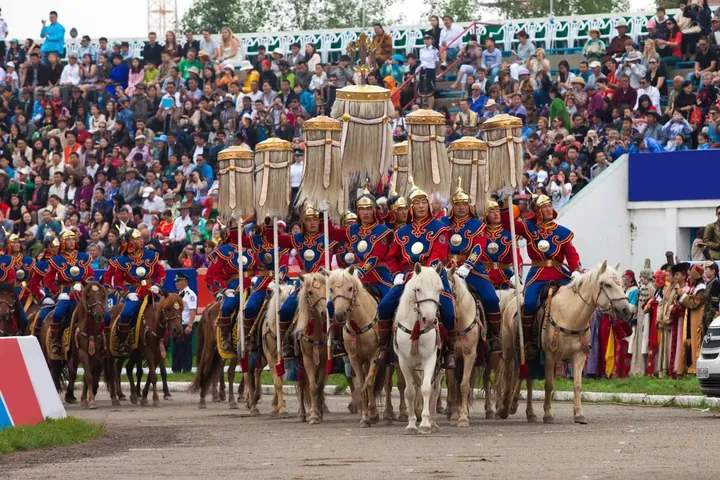
May to early October is the practical travel window. May-June and September offer mild days and fewer visitors, while July-August is warmest and coincides with the Naadam Festival season. A 4-day Gobi tour covers the highlights; a 7-day Gobi Desert tour adds Kharkhorin and the deeper desert.
Related reading: The Gobi Desert (full guide) | 4-Day Gobi Tour | 7-Day Gobi Desert Tour